

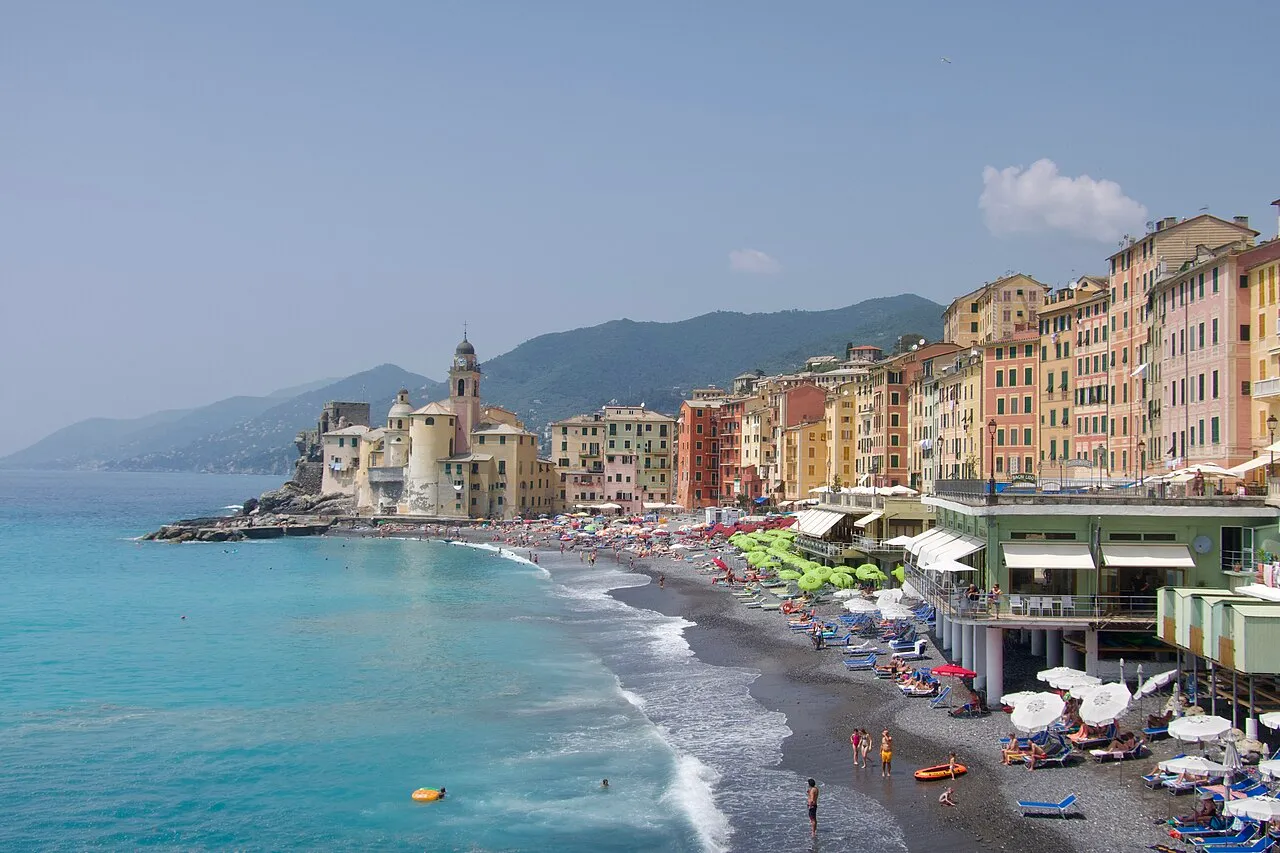
Add less than the map suggests.
Distances can look easy, but stations, heat, stairs, meals and crowds all add friction.
Italy planning guide
Use regions, routes and live travel context to shape an Italy trip that feels beautiful on paper and still works on the ground.
Start here
Italy planning usually becomes easier once you choose what needs deciding first: region, route, or the trip plan itself.
Regions
Start with Tuscany, Lazio, Campania or another region if the shape of the trip is still open.
Practical signals
Some planning choices are not glamorous, but they affect comfort fast: where you sleep, how you arrive, data, money, entry basics, plugs, bags and transport.
Some links may be partner links. Terra Routes may earn a commission at no extra cost to you.
01 / 08
Choose the base before the hotel.
Why it matters
Accommodation in Italy works best when it supports the route: station access, old-town friction, beach season, parking, day trips and late arrivals all matter.
Booking a beautiful stay in the wrong base can make the whole trip harder.
Regions
Each Italian region changes the rhythm of the trip: transport, heat, food, crowds, day trips and whether a car helps or only gets in the way.
Trip style
A first trip, a train-based route, a slow countryside stay and a food-focused itinerary do not need the same planning logic.
Use this as a filter
Pick the rhythm first. The right region, route and practical choices become much clearer after that.
Breathing room
The trip usually works better when not every day is packed from morning to night. Heat, queues, meals, train timing and small detours all need room.
Use the big sights as anchors, but do not let them take every hour of the trip.
Distances can look easy, but stations, heat, stairs, meals and crowds all add friction.
A good Italy trip needs time for cafés, viewpoints, markets, evening walks and doing nothing on purpose.
Morning museums, midday heat and late dinners do not all fit the same kind of travel day.
Featured routes
Routes are not rigid itineraries. They are planning patterns that help connect regions, bases, transport and travel rhythm.
A five-day introduction: two days in Florence, one in Siena, then Lucca and Pisa on separate days. Use Florence as a base only if your chosen return connections fit. Book one major museum or monument per day, leave a proper lunch break, and remove a city rather than compress five days into three.
Open routeUse Florence for two days, then transfer to Siena for two nights. Reserve day three for Siena and day four for San Gimignano if bus 130’s return works. Check the Florence–Siena connection separately. Choose lodging near usable transport, store luggage before walks, and drop San Gimignano if connections are poor.
Open routeUse Pisa or Livorno as a base. Day one: Livorno’s centre and Mascagni Terrace; day two: Castiglioncello; day three: San Vincenzo. These are separate rail outings, not a beach-hopping day. Check each train’s stops and the station-to-seafront walk; skip a beach day if wind or rain makes it unsuitable.
Open route
Start planning
Use regions, routes and practical planning tools together instead of treating Italy like one giant checklist.
We use essential storage to keep Terra Routes working. With your consent, Google Analytics 4 measures page views, planning interactions and clicks on external links, including partner links. A click does not confirm a booking or commission. We do not use advertising personalization or remarketing.
You can read more in our Privacy Policy · Cookie Policy.